





The short version
Most things you'd actually call a "remodel" in Los Angeles County require permits. Painting, flooring, cabinet swaps, and most cosmetic work don't. Anything structural, mechanical, electrical (beyond fixture replacement), or plumbing (beyond fixture replacement) does. Here's the detail.
What requires a building permit
In the City of Los Angeles and most LA County jurisdictions, you need a building permit for:
- Any structural work. Removing or adding walls (load-bearing or not, in most cases), adding square footage, changing roof structure, building a deck over 30 inches off the ground.
- Plumbing changes. Moving fixtures (not just replacing), running new supply or drain lines, adding a bathroom or kitchen, installing a water heater.
- Electrical changes. New circuits, panel upgrades, service changes, adding rooms with electrical, EV chargers.
- Mechanical (HVAC). New HVAC systems, ductwork changes, vent additions.
- Window and door changes that alter the size of the opening.
- Roof replacement. Even like-for-like, in most LA jurisdictions.
- Pools, spas, retaining walls over 4 feet.
What doesn't require a permit
For most jurisdictions in LA County:
- Painting (interior or exterior).
- Flooring replacement (carpet, vinyl, tile, hardwood) when no subfloor work is involved.
- Cabinet replacement in the same locations.
- Countertop replacement.
- Light fixture replacement (like-for-like).
- Plumbing fixture replacement (like-for-like — same location, same connections).
- Drywall patching and repair.
- Most landscaping (subject to specific exceptions for hardscape height, drainage, etc.).
The line between "replacement" and "alteration" matters. Swapping a toilet for a toilet: no permit. Adding a second toilet where none existed: permit. Replacing a 30-inch range with another 30-inch range: no permit. Switching from gas to induction with a new circuit: permit.
How permits work in LA
Los Angeles permitting runs through LADBS (Los Angeles Department of Building and Safety) for City of LA, and through county DPW for unincorporated areas. Other LA County cities (Beverly Hills, Santa Monica, Pasadena, etc.) have their own departments.
The process:
- Plan preparation. Drawn by an architect, engineer, or design-build contractor depending on scope.
- Submittal. Online through LADBS Plan Check & Inspection (PCIS) for City of LA.
- Plan check. 2–6 weeks for typical residential remodels, longer for complex projects.
- Correction cycles. Plan checker comments back; resubmittal; potentially multiple rounds.
- Permit issuance. Pay fees, get the permit.
- Inspections during construction. Typically rough-in (framing, plumbing, electrical, mechanical) and final.
- Final sign-off. Certificate of occupancy or final permit closeout.
What permits actually cost
2026 ranges for City of LA residential remodels:
- Small bathroom or kitchen remodel: $800–$2,500 in permit fees.
- Full kitchen + bath remodel: $2,000–$5,000.
- Whole-house renovation: $5,000–$15,000.
- Room addition or ADU: $6,000–$20,000+ depending on size.
- New construction (single-family): $25,000–$80,000+.
On top of building permit fees, expect: plan check fees (usually 65–85% of building fee), school district fees, sewer connection fees (for ADUs), and possibly Title 24 energy compliance documentation costs.
The penalty for skipping permits
People skip permits for two reasons: to save money, or to avoid the timeline. Both calculations almost always end up wrong.
What actually happens when unpermitted work is discovered (during a sale, by a complaining neighbor, during a separate inspection):
- Investigation fees. Typically 2–3× the original permit fee in LA.
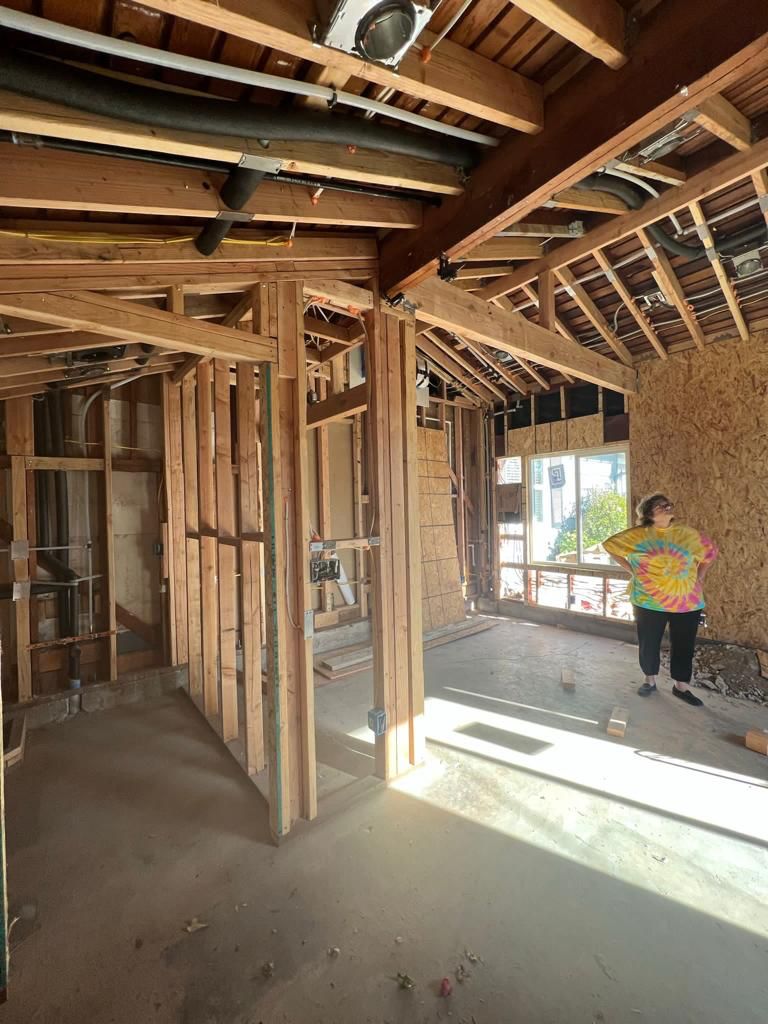
- Tear-out and re-inspection. Drywall may need to come down so an inspector can verify what's behind it.
- Bringing work up to current code. Often more expensive than doing it right the first time.
- Sale-blocking. Title companies and buyers' inspectors flag unpermitted work. Buyers walk, or demand price reductions.
- Insurance non-coverage. Damage caused by unpermitted work (e.g., flood from a DIY plumbing change) is often denied by homeowner's insurance.
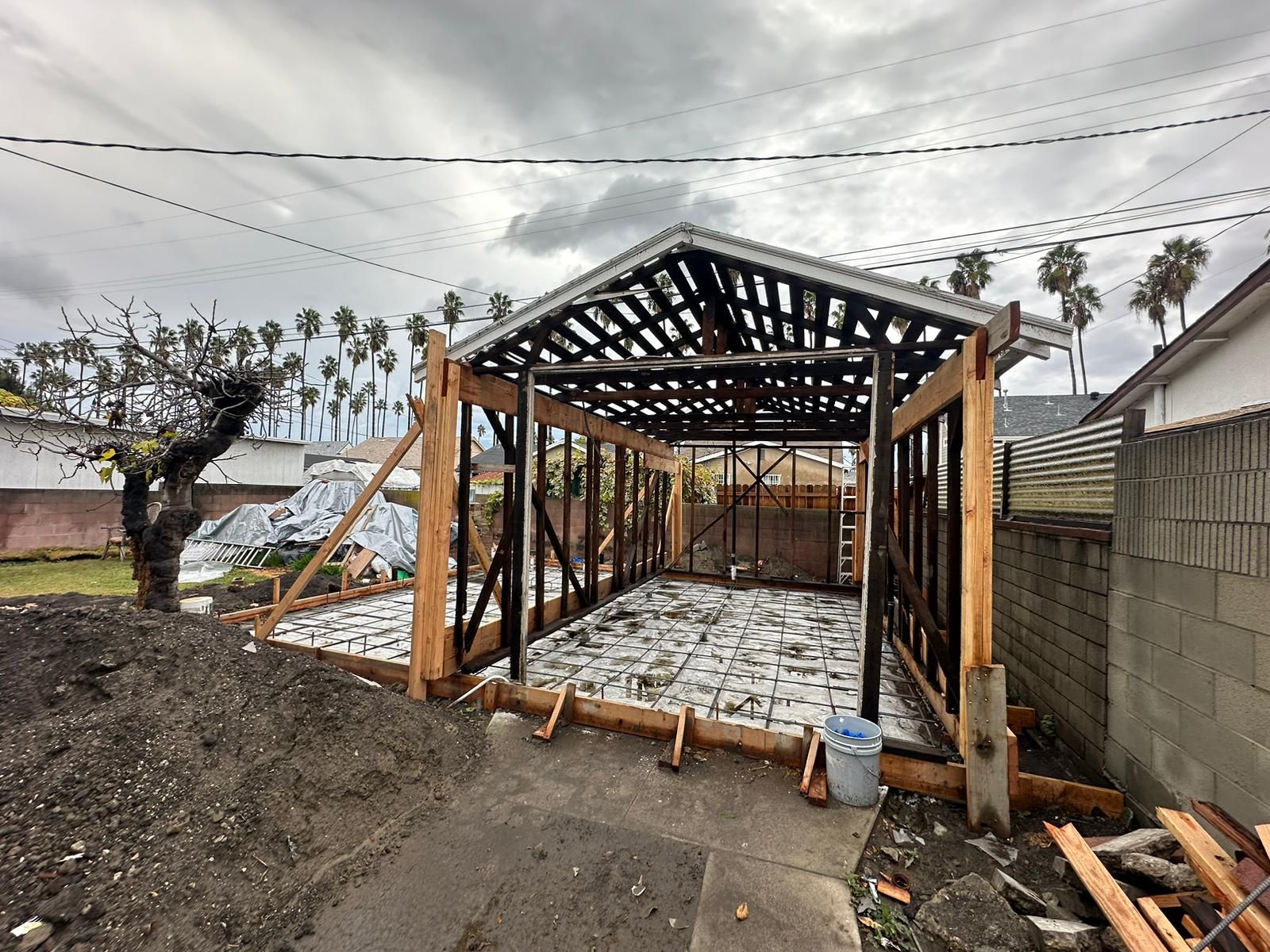
Sellers in LA County frequently discover, mid-escrow, that the garage conversion they did in 2015 without a permit will either need to be torn out or legally retrofitted before they can close. Both options cost real money.
How a good contractor handles permits
An experienced contractor in LA County:
- Pulls the permits in their own name (or yours, depending on scope and preference).
- Coordinates the architect or engineer when plans are required.
- Schedules inspections so they don't slow the project.
- Handles plan-check corrections without losing weeks.
- Includes permit fees and timelines transparently in the project bid.
If a contractor offers to "save you the permit hassle" — walk away. It's not their hassle to save you from. It's your house, your liability, and your future sale.
Modeno Builders pulls permits on every project that requires them. CSLB License #1151614, serving Orange County, Los Angeles, Ventura, and Riverside.
Planning a remodel in LA County? Schedule a free in-home consultation — we'll walk you through exactly what permits your project will need and what they'll cost.
